Is Android Evolving Beyond Being an Operating System?
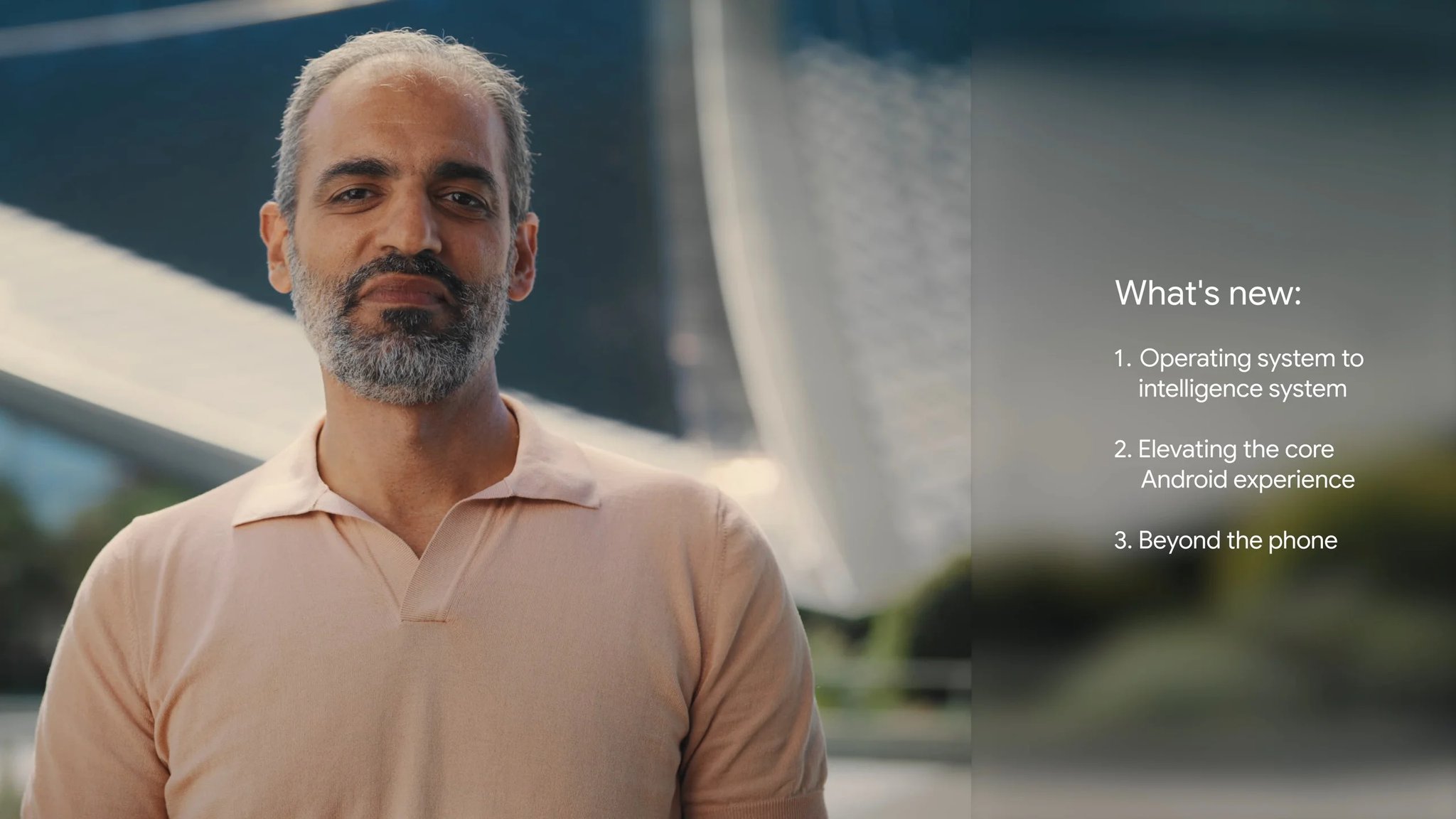
In a recent presentation at The Android Show: I/O Edition 2026, Google made waves by proclaiming that Android is no longer merely an operating system but has transformed into an "intelligence system." While this bold statement by Sameer Samat aims to highlight the advancements in Android technology, it raises questions about the true nature of Android today and whether this rebranding is genuinely warranted or a marketing strategy.
What Google Shared at the Event
The idea of Android as an "intelligence system" formed the backbone of Google's messaging during the event. Announcements regarding the rollout of Gemini Intelligence across Android and the introduction of the Googlebook laptop category were framed as evidence of Android's evolution beyond traditional operating system functionalities.
Why Is Google Emphasizing This Shift?
This push towards redefining Android is not being made in isolation. Competitors like Apple have heavily promoted their own AI capabilities, despite facing implementation challenges. Similarly, Samsung is increasingly integrating its Galaxy AI into their product offerings. Google’s assertion emphasizes that the entire Android platform has now become synonymous with AI.
Understanding Android 17
Despite the marketing rhetoric, the upcoming Android 17, set to launch for Pixels in June 2026, remains a traditional operating system at its core. It continues to manage essential functions like apps, notifications, storage, permissions, and hardware control. Features such as the Material 3 Expressive design, App Bubbles, screen recording, and dedicated notification panels exemplify its role as an operating system.
What sets Android 17 apart is the integration of Gemini at a fundamental level. It is designed to take action on your behalf with your explicit consent, access screen content, and perform task chaining—shifting from being supplementary features to an integral part of the OS.
Implications for Users
Having used the Pixel 10 Pro Fold and been a part of the Pixel and ChromeOS ecosystem for years, my personal view is that the success of these AI features hinges on their reliable deployment. The Apple Intelligence rollout serves as a cautionary example, showcasing how impressive promises can turn into a series of unmet expectations and half-finished features.
Conclusion
The assertion that “Android is no longer just an OS” may be compelling marketing, setting an anticipatory tone for the upcoming I/O event. However, the reality remains that Android 17 is still very much an evolution of Android itself, now enriched with enhanced Gemini capabilities. This is a noteworthy development in its own right, transcending the need for a complete rebranding.