In the ever-evolving world of flagship smartphones, it seems there’s always something new to discuss. Sony’s Xperia 1 VIII, which has already faced scrutiny over its sales performance and the AI Camera Assistant debacle, might have another surprise in store for users. Recent observations suggest that the device may be thicker than the official specifications indicate, prompting many to question just how accurate these measurements are.
Understanding the Thickness Discrepancy
When it comes to smartphone specifications, thickness is often a key selling point. However, the way thickness is measured can vary significantly, leading to discrepancies between advertised and actual measurements. This is particularly true for the Xperia 1 VIII, where some users are finding that the reality of its thickness does not align perfectly with the figures stated by Sony.
Measuring the Xperia 1 VIII
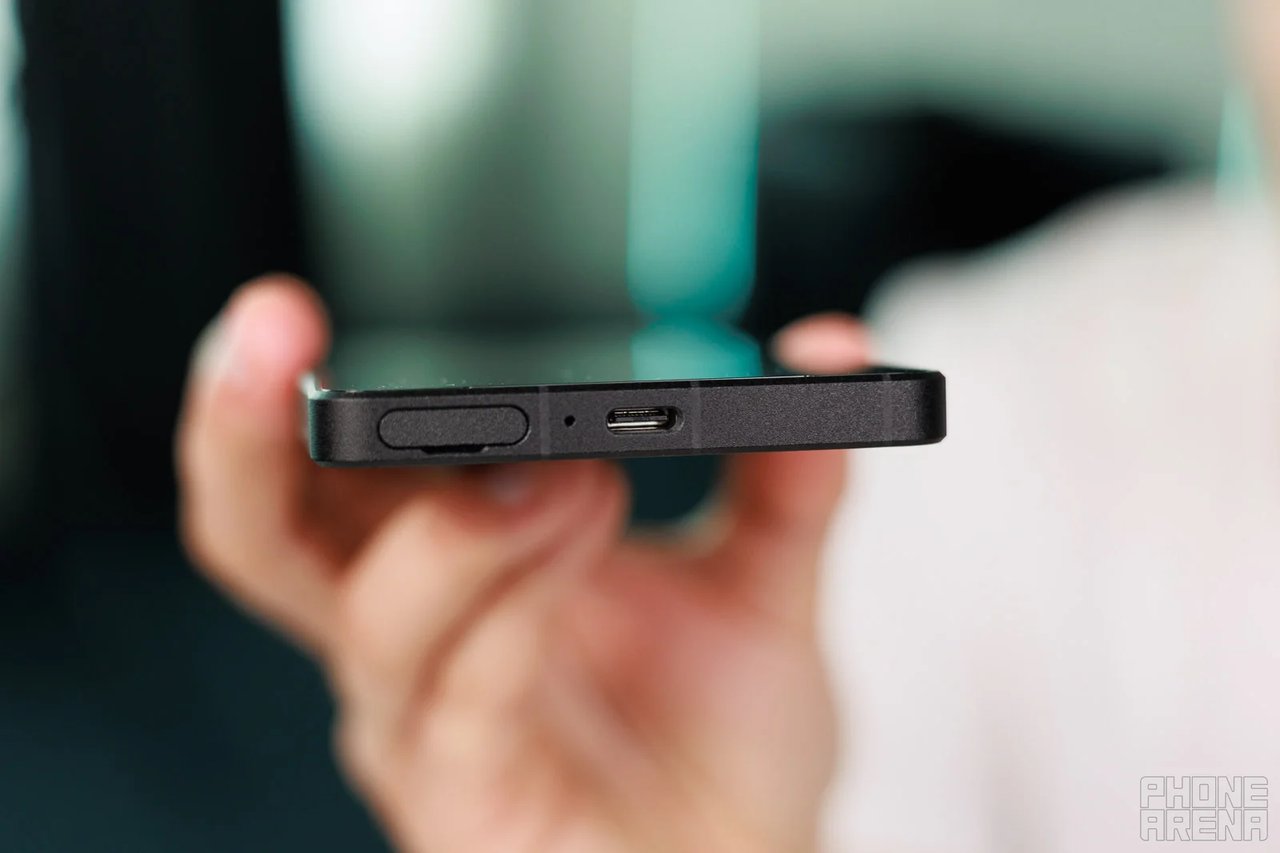
The question arises: where exactly should one measure the thickness of the Xperia 1 VIII? Depending on the measuring point—be it at the edges or the center of the phone—the thickness can yield different results. This inconsistency may contribute to the confusion surrounding the phone's specifications and how they are represented.
Common Issue with Smartphone Advertisements
It’s not uncommon for smartphones to be thicker than advertised. Many manufacturers often showcase the thinnest points of their devices, which can mislead consumers. This practice raises questions about trust and transparency within the smartphone industry, making it crucial for buyers to consider real-world measurements before making a purchase.
Minimal Impact on Daily Use
Despite the potential for inaccuracies in thickness measurements, the real-life impact on user experience is likely to be minimal. For most users, the performance and features of the Xperia 1 VIII will outweigh concerns over slight differences in specifications. Nevertheless, it’s always beneficial for consumers to remain informed and cautious about such inconsistencies.