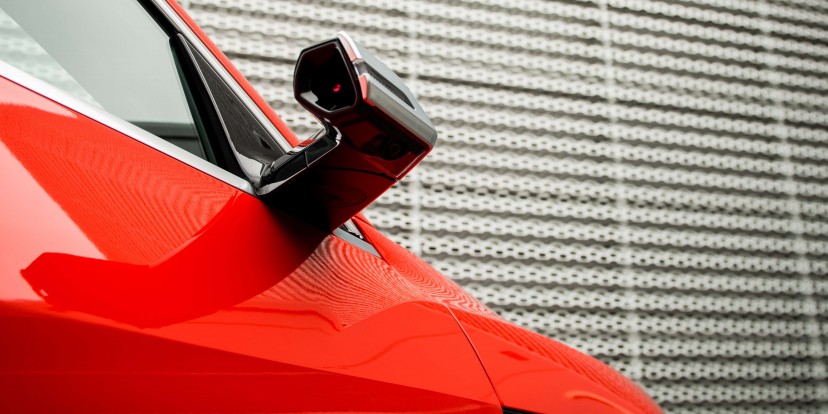
Replacing traditional side mirrors with camera systems has emerged as a prominent trend in modern automotive design. Following various notable concepts, such as the Volkswagen XL1, Audi made a significant move in 2019 by announcing the availability of mirror cameras in its Audi e-tron. That same year, Honda revealed that all Honda E models would come equipped with the side camera mirror system as a standard feature.
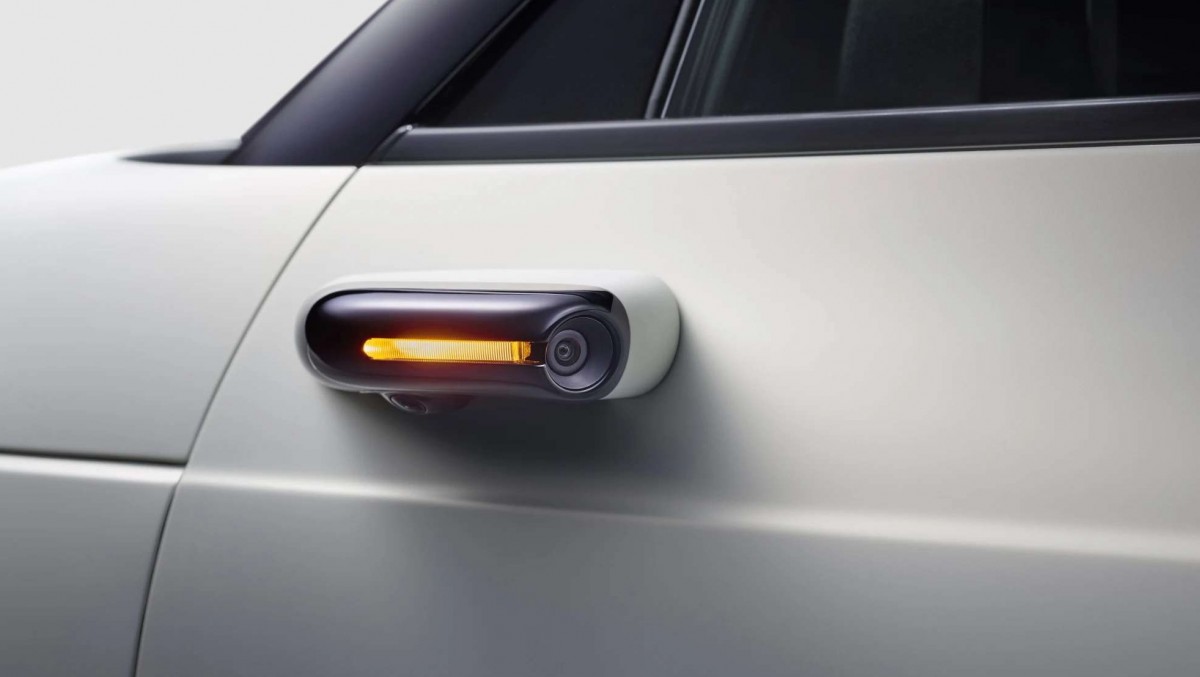
The feature is gaining popularity, with vehicles like the Honda E and Hyundai Ioniq 5 leading the charge. However, one reason mirror cameras haven’t become more widespread is that they are currently not street legal in the U.S. If the federal government approves their use, we expect these systems to become increasingly common, as manufacturers like Tesla have long advocated for mirror camera adoption.
Advantages of Mirror Cameras: What Do They Bring to the Table?
The primary advantage of mirror cameras is well-known due to extensive marketing efforts. They provide improved aerodynamics and reduced wind noise, as cameras occupy less space than conventional mirrors. This translates to enhanced efficiency and an increase in the vehicle's range. For instance, Honda claims that utilizing mirror cameras enhances efficiency by 3.8%, thereby extending the vehicle's range.
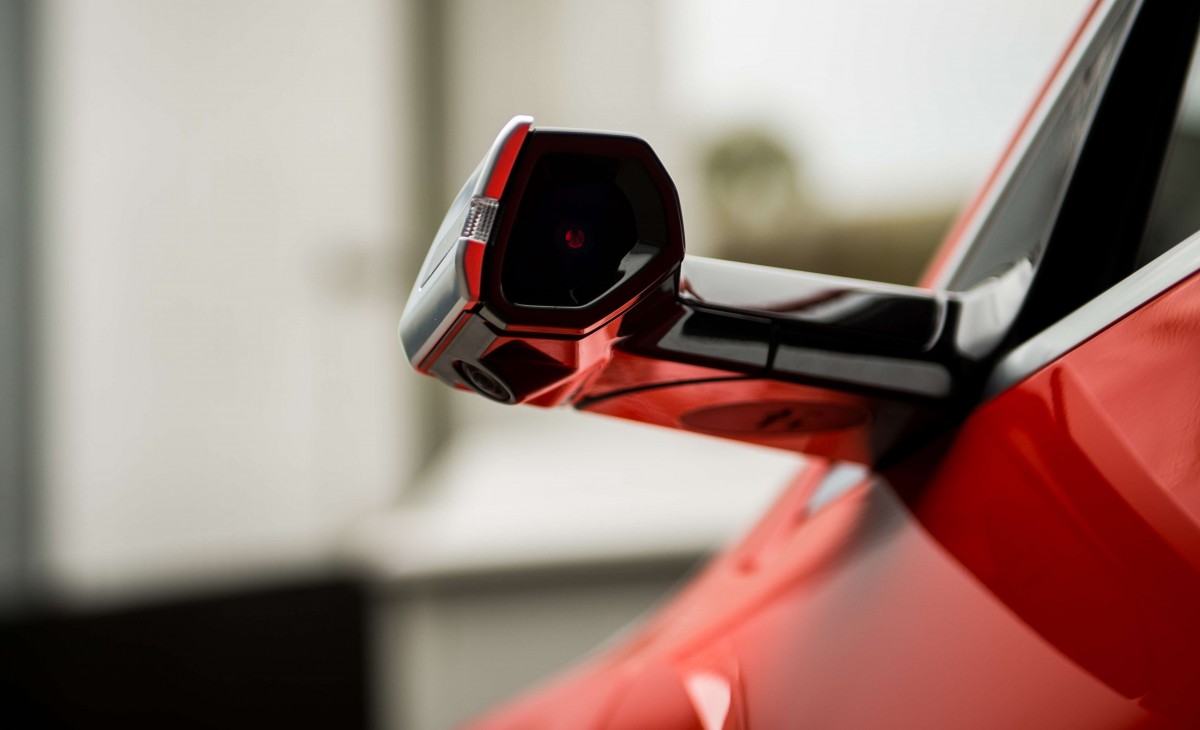
Another significant benefit is the reduction of blind spots. Cameras equipped with wide-angle lenses offer a much broader view of the road behind, addressing one of the major hazards associated with traditional side mirrors. This improvement is a welcome advancement in vehicular safety.
Mirror cameras can also provide greater detail in low-light conditions, such as dark tunnels or poorly lit parking situations. Their exposure and ISO levels can be adjusted, allowing for clearer visibility compared to standard side mirrors, which rely solely on the driver’s eyesight.
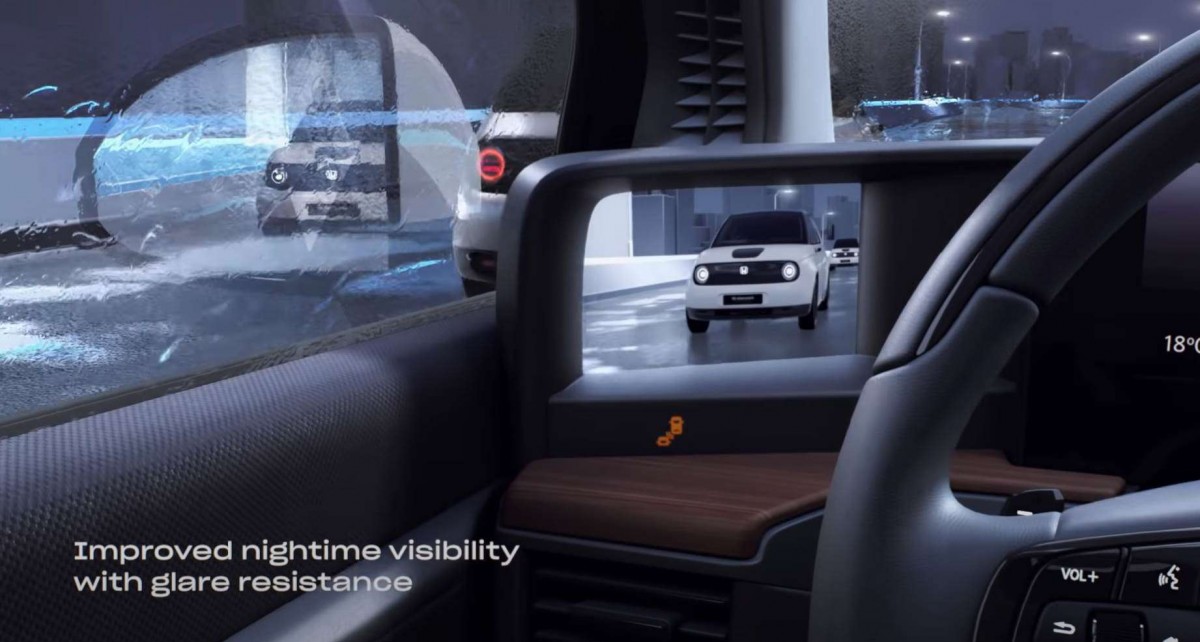
Aesthetically, mirror cameras contribute to a more minimalist and futuristic appearance, aligning perfectly with current design trends. Many automotive designers are eager to phase out conventional mirrors, as evidenced by numerous mirrorless car designs introduced over the years.
Limitations of Mirror Cameras: What Are the Drawbacks?
However, mirror cameras present several challenges. They are often more costly to manufacture and replace compared to traditional mirrors. Their complexity increases the likelihood of malfunctions, and replacing a malfunctioning camera is usually more complicated than simply swapping out a traditional mirror.
Moreover, cameras may provide less reliable footage in certain conditions, such as graininess or blurriness in low-light settings. Bright sunny days can also pose problems due to lens flare affecting visibility.
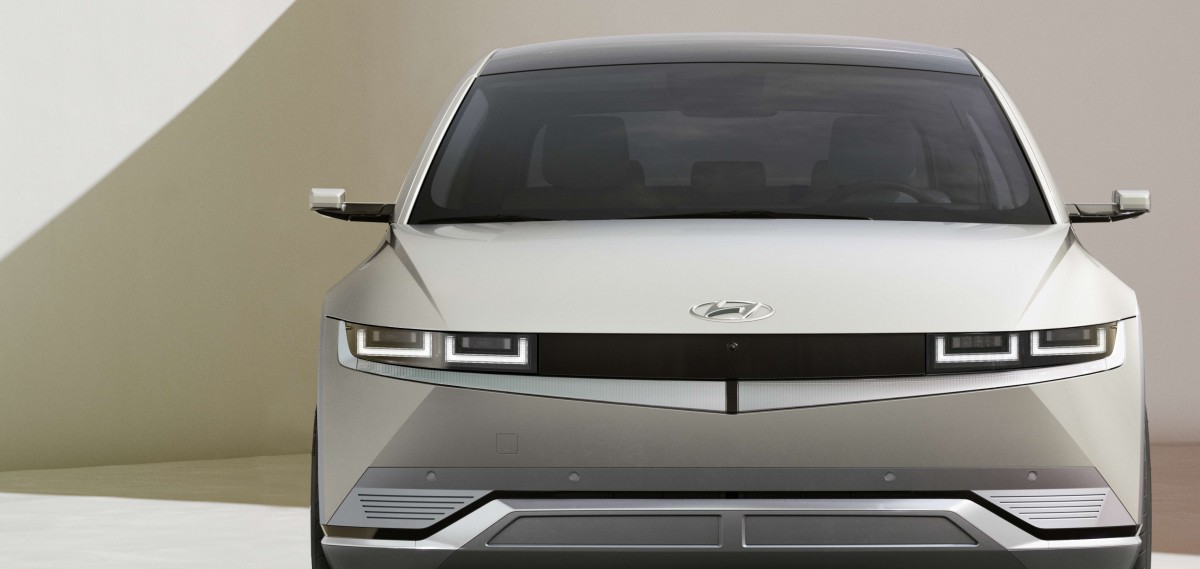
Another concern involves the placement of displays within vehicles. Many manufacturers position the camera displays on the side doors, which may disrupt driver habits of looking sideways. These displays could serve as potential distractions, especially if their brightness isn't adjustable for nighttime driving.
A lesser-discussed issue with mirror cameras is their inconvenience for drivers with visual impairments. Individuals with age-related presbyopia, a condition that diminishes the eye's ability to focus on near objects, may find these systems challenging to use.

While traditional mirrors reflect light from distant objects, mirror cameras transmit images to a closer display, which complicates focus for those with existing eyesight issues. The transition from looking at the road to a display may require adjustment, posing difficulties, especially for drivers wearing bifocal or progressive lenses.
When viewing a conventional rearview mirror, the focal distance matches that of the road ahead, which allows for a seamless visual transition. In contrast, viewing a screen-based rearview mirror necessitates a rapid focus adjustment, particularly challenging for those who wear bifocals, as neither lens section aids in this quick shift.
Balancing Innovation with Choice
Ultimately, it is crucial to recognize that not all innovations cater to every driver. We should support the development of new technologies that enhance driving experiences; however, the advantages of mirror cameras currently outweigh their drawbacks for only a specific group of users. Ideally, customers should have the option to choose whether to adopt mirror cameras. Thankfully, most manufacturers share this perspective at present, but we hope they resist the temptation to prioritize streamlined production over offering consumer choices.