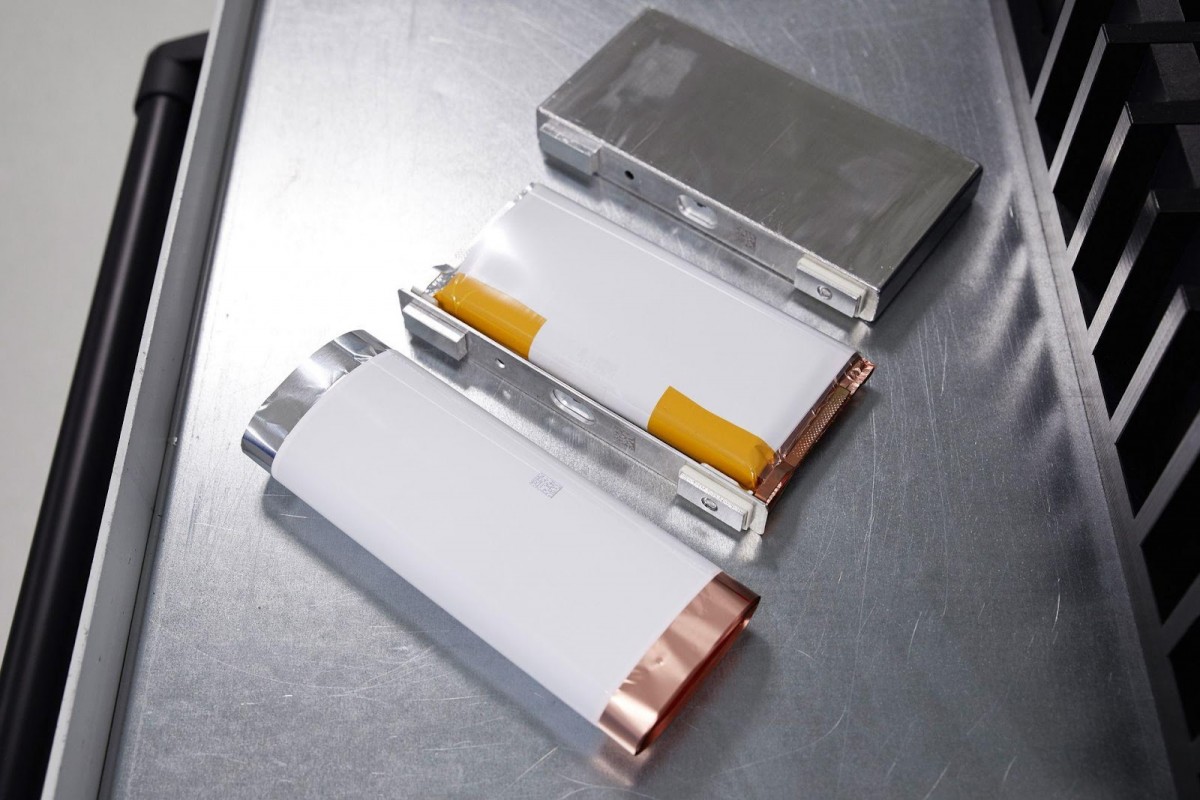
The Future of Samsung Galaxy Phones: A Look at Solid-State Battery Technology
As the smartphone industry evolves, new advancements in battery technology are paving the way for more efficient and longer-lasting devices. One such innovation is solid-state battery technology, which promises to revolutionize the way we think about power sources in mobile devices. Samsung's exploration into solid-state batteries, which began back in 2017, has sparked excitement and anticipation among tech enthusiasts and consumers alike. In this article, we delve into what we know about the potential release of a Samsung Galaxy phone equipped with solid-state battery technology and what to expect in the coming years.
Samsung's Journey into Solid-State Batteries
Back in 2017, Samsung teased the possibility of a Galaxy phone featuring a solid-state battery, claiming that the launch was just two years away. Fast forward to today, the technology has made significant strides. The Galaxy Note 10 was originally slated to be the first smartphone to utilize this advanced battery tech, according to an anonymous Samsung SDI executive who mentioned:
"Our technological level to produce a solid-state battery for smartphones will be mature enough in one to two years. However, it depends on Samsung Electronics whether it will be used for phones."
Solid-State Batteries in Wearables First
Before solid-state batteries make their debut in smartphones, it appears that wearables will be the first recipients of this cutting-edge technology. Samsung Electro-Mechanics has recently announced the successful development of the world's first compact all-solid-state battery designed for wearable devices. These innovations are set to hit the market by the end of 2026, starting with products like the Galaxy Watch series and the anticipated Galaxy Ring.
Understanding Solid-State vs. Silicon-Carbon Batteries
While solid-state batteries are promising for their safety and efficiency, silicon-carbon battery technology currently offers higher energy density. For instance, the Donut solid-state battery has recorded an energy density of 400 Wh/kg, while silicon-carbon batteries hold potential energy densities theoretically reaching 1,300 Wh/kg. However, these silicon-carbon batteries come with challenges such as brittleness and instability.
What’s Next for Samsung Galaxy Phones?
As for the release timeline, it is unlikely that the upcoming Galaxy S26 will feature a solid-state battery, as production is already underway. However, there is a chance for the Galaxy S27 series to incorporate this technology if the launch of the wearables is successful. Consumers can look forward to the potential breakthrough in early 2027, especially as the competition in battery technology intensifies.
Conclusion
The future of Samsung Galaxy phones looks promising with the prospect of solid-state batteries. While wearables are set to be the first beneficiaries of this technology, the timeline for integration into smartphones remains cautiously optimistic. Keep an eye on Samsung as they navigate this exciting technological frontier.