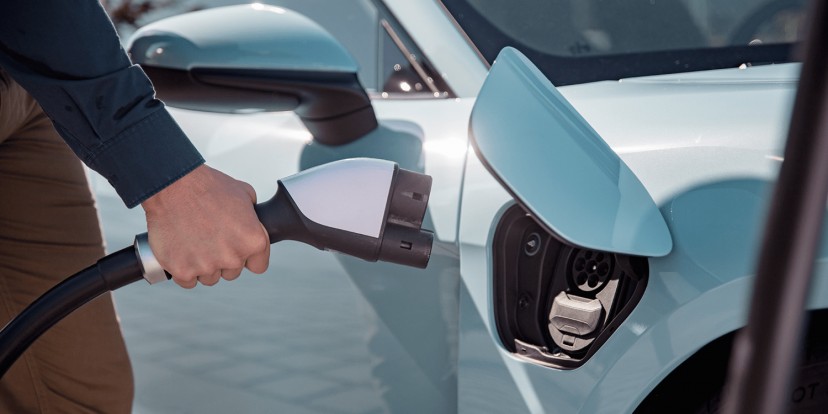
150 kW, 200 kW, 250 kW — the competition for the peak power of DC charging continues to evolve. However, is the significance of maximum charging power for electric vehicles overstated? Considering that DC charging accounts for only a small fraction of an electric car’s charging events, especially given that 95% of European drivers travel less than 50 km per day, does it really matter how quickly they can replenish the minimal battery usage?
The growing focus on DC charging is largely driven by manufacturers eager to showcase advancements in battery technology. Many consumers still compare the "charging power" of electric vehicles (EVs) with the refueling times of internal combustion engine (ICE) vehicles.

Indeed, DC charging is crucial during long trips. But do vehicles capable of rapid charging at 200 kW, 250 kW, or even 300 kW truly deliver on their promises? Let's explore.
Understanding Peak Charging Power
Peak charging power is one critical aspect of the discussion. Recently, cars featuring 800V architectures have redefined standards in DC charging, including models like the Lucid Air (300 kW) and the Porsche Taycan alongside the Audi E-tron GT (270 kW).
In the 400V domain, Tesla has established a lead with 250 kW peak charging capability through its V3 superchargers. In contrast, vehicles with lower charging rates — such as the Nissan Leaf (50 kW) and the Skoda Citigo, VW e-up! duo (40 kW) — lag behind.
The table below outlines peak charging rates and the estimated range achieved per minute of charging, calculated based on expected electricity consumption while traveling at 130 km/h on the highway — the typical scenario for DC charging.
| Model | Peak Charging Power (kW) | Estimated Consumption at 130 km/h (kWh/100 km) | Range/Minute of Charging at Peak Power (km) |
|---|---|---|---|
| Lucid Air | 300 | 21 | 23.8 |
| Porsche Taycan | 270 | 24 | 18.8 |
| Tesla Model S | 250 | 21 | 19.8 |
| 233 | 26 | 14.9 | |
| Mercedes EQS | 200 | 23 | 14.5 |
| Peugeot e-208 | 100 | 26 | 6.4 |
| Nissan Leaf e+ | 50 | 26 | 3.2 |
| VW e-up! | 40 | 23 | 2.9 |
The Charging Curve
While peak DC charging power indicates a vehicle's technological prowess, the average DC charging power between 10% and 80% state of charge is what truly matters for the everyday driver.
Ideally, peak charging power would correlate directly with charging times. However, high-voltage batteries can maintain peak charge only for a limited duration and at specific charge levels.

Charging curves vary among vehicles and depend largely on battery specifications and how the Battery Management System (BMS) controls the charging process. A decrease in charging power is a safety feature designed to prevent excessive battery heat, and at higher charge levels, cell balancing limits charging power.
The data below represents real-world charging results along with the estimated range achieved per minute of charging using average charging power from 10% to 80%. It appears that the top performers yield average DC charging power around 175–180 kW, despite their considerably higher peak DC charging capabilities. This mean charging power is derived from data obtained from Fastned.
| Model | Mean Charging Power (0-80%) (kW) | Estimated Consumption at 130 km/h (kWh / 100 km) | Range/Minute of Charging with Mean Power (km) |
|---|---|---|---|
| Lucid Air | 175 | 21 | 13.89 |
| Porsche Taycan | 147 | 24 | 10.21 |
| Tesla Model S | 180 | 21 | 14.29 |
| 175 | 26 | 11.22 | |
| Mercedes EQS | 180 | 23 | 13.04 |
| Peugeot e-208 | 65 | 26 | 4.17 |
| Nissan Leaf e+ | 43 | 26 | 2.76 |
| VW e-up! | 27 | 23 | 1.96 |
Conclusions
It seems that despite the maximum charging power a vehicle can accept, most electric cars reach a mean charging power plateau of around 180 kW during typical DC charging sessions up to 80%. This finding aligns with current technological realities.
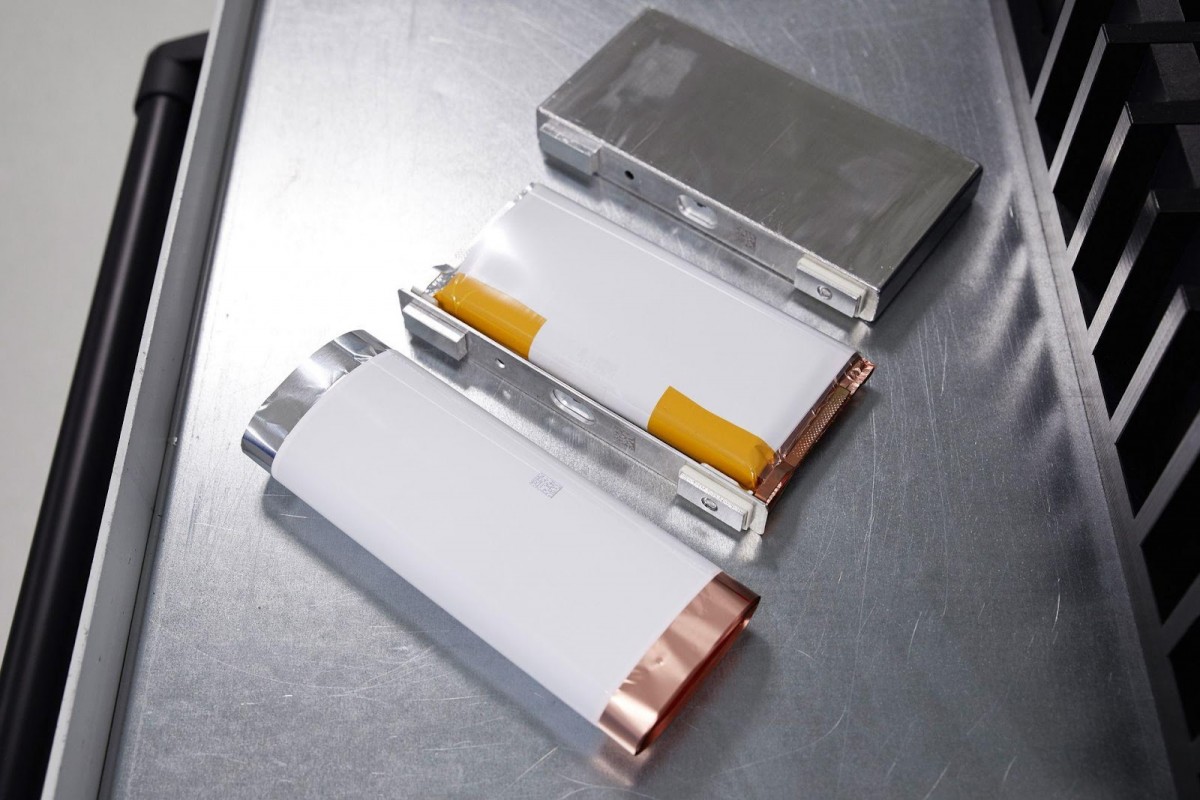
Almost all modern electric vehicles utilize lithium-ion (Li-Ion) NMC chemistry batteries, with minimal variations among them. This consistent average charging power of 180 kW is not dependent on voltage (400 or 800V) and appears to represent the technological limit of existing battery chemistries. Future advancements such as lithium-air or solid-state batteries may enable us to exceed this limit. Only time will tell.
 DC charging stations are the sign of the future