The 2025 electric vehicle (EV) sales figures for China have been released, revealing a significant transformation in consumer preferences. Previously dominated by high-end models, the market now highlights small, affordable cars as the new leaders. According to the China Passenger Car Association (CPCA), total retail sales of battery electric vehicles surged to 7.877 million units in 2025, a remarkable 24.4% increase from the previous year, indicating a growing demand for electric vehicles.
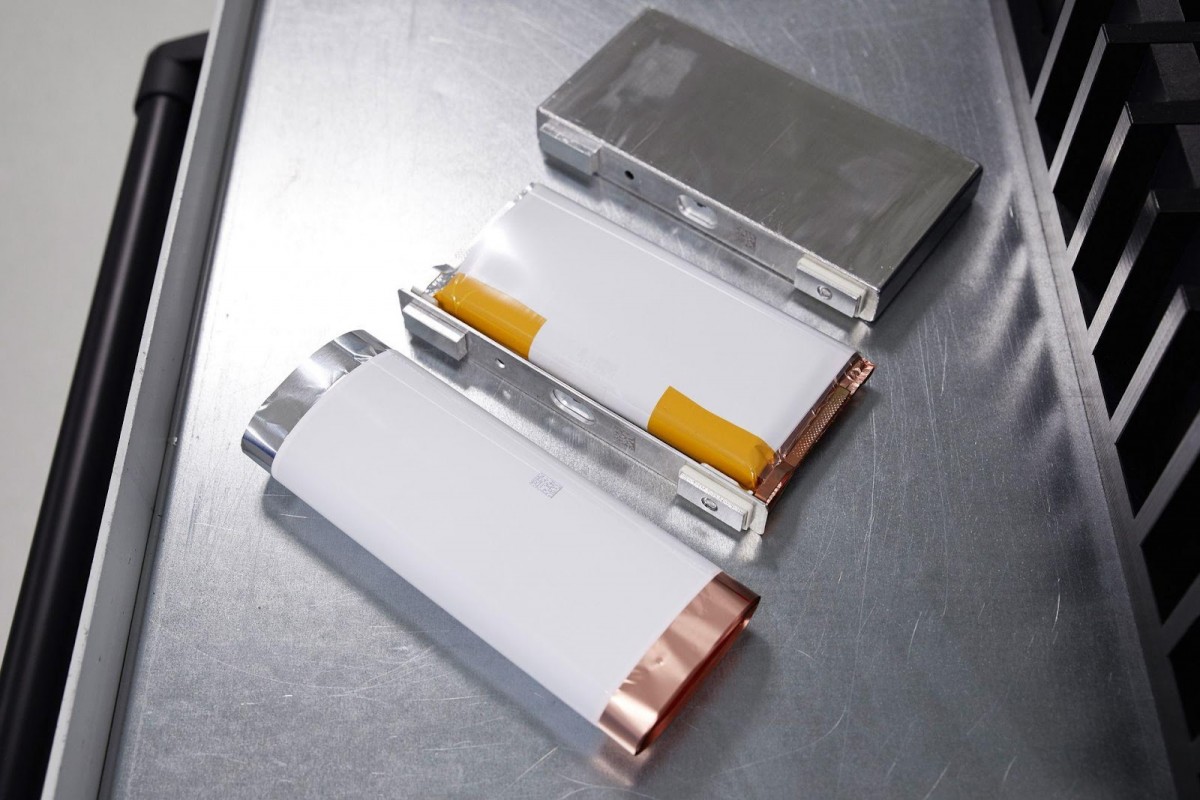
Notably, the Tesla Model Y has lost its position as the top-selling electric vehicle in China, with the Geely Galaxy Xingyuan taking the lead after its launch in October 2024. Geely sold an impressive 465,775 units of this model in 2025. One of the key factors contributing to this success is its price, starting at just RMB 69,800 (approximately $9,700). Buyers receive a contemporary vehicle outfitted with an 11-in-1 intelligent drive system and a "Cell-to-Pack" battery. Measuring 162.8 inches in length, the Xingyuan is ideally suited for congested urban environments while still providing a sleek design and ample space.
 Geely Galaxy Xingyuan - source: Geely
Taking second place is the Wuling MINI EV, which sold 435,599 units, further demonstrating the trend toward value-oriented, compact vehicles. As a result, the Tesla Model Y has fallen to third place with 425,337 units sold, reflecting an 11.45% decline from 2024. While the Model Y remains the most popular premium electric SUV, smaller, more affordable options are increasingly dominating the market.
Interestingly, compact vehicles secured half of the top ten spots this year. Alongside the Xingyuan and the Wuling MINI EV, the BYD Seagull came in fourth with 310,956 units sold. Other notable compact models included the Changan Lumin with 162,362 units and the Geely Panda with 162,098 units. Collectively, these five small vehicles accounted for over 1.5 million sales, highlighting a consumer preference for electric cars that are easy to park, economical to charge, and budget-friendly.

High-tech brands continue to carve out their niche, with the Xiaomi SU7 enjoying a successful inaugural year, achieving fifth place with 258,164 units sold—a significant feat for a company traditionally focused on smartphones. The Tesla Model 3 also experienced growth, with a 13.3% increase, totaling 200,361 units and maintaining its sixth-place position. New entrant Xpeng MONA M03 made its mark by debuting in eighth place with 175,345 units, demonstrating that while budget is crucial, buyers also seek advanced features such as driver assistance technology and high-end displays.
In summary, the 2025 data illustrates a "two-track" market in China. On one side, established players like BYD have secured two spots in the top ten with the Seagull and the Yuan UP (189,277 units). Conversely, traditional automakers are leveraging new sub-brands to compete against innovative startups. With more models being introduced and technology costs decreasing, the competition in the EV market is set to intensify further.
Via