Revolutionary Solid-State Battery Technology Set to Transform Smartphone Usage

Source: Date:

Revolutionary Solid-State Battery Technology Set to Transform Smartphone Usage

The advent of solid-state battery technology could reshape the future of mobile devices, significantly enhancing battery performance and longevity. With the potential to provide days of use on a single charge, this innovative solution promises faster charging times and improved safety. In this article, we explore how solid-state batteries work, their advantages over traditional lithium-ion batteries, and the exciting developments on the horizon.

Understanding Batteries and Their Mechanisms

Lithium-ion Battery Cycle

A typical lithium-ion battery discharge cycle

Anode: The anode is where oxidation occurs during battery discharge, commonly made from materials like graphite or metals.
Cathode: The cathode is where reduction occurs during battery discharge. Various metals like lithium, cobalt, or manganese are typically used based on the battery type.
Electrolyte: The electrolyte facilitates ion movement between the anode and cathode. In traditional batteries, it’s often liquid or gel-based, while in solid-state batteries, it is a solid material, giving these batteries their name.

Advantages of Solid-State Batteries

Solid-state Battery

Solid-state batteries utilize a solid electrolyte

Solid-state batteries boast several advantages over traditional lithium-ion batteries, primarily due to their solid electrolytes. They have increased ion conductivity, enabling faster charging—often within minutes. Furthermore, these batteries have a higher energy density, allowing for longer-lasting performance in devices.

Challenges Ahead for Solid-State Technology

Batteries Challenged by Dendrites

Dendrites can grow and cause short circuits in batteries

In 2017, a Samsung executive indicated that the company was on the verge of readying solid-state battery production for smartphones within one to two years. However, throughout the years, challenges such as dendrite formation have persisted, which can lead to battery failures.

Introducing the Donut Battery

Donut Battery

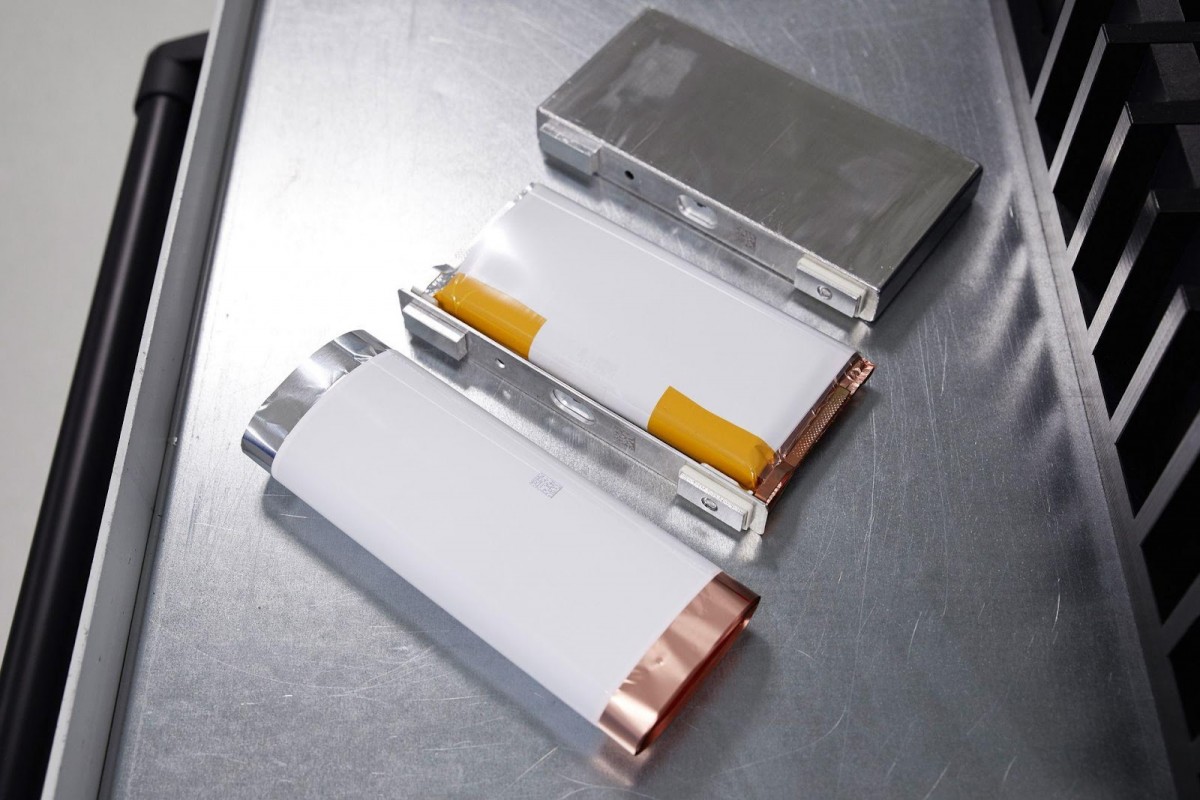
This groundbreaking solid-state battery could revolutionize energy storage | Image by Donut Labs

The "Donut battery" claims to deliver an impressive 400 Wh/kg capacity, recharge in just five minutes, and is designed for up to 100,000 cycles, all at a lower cost than conventional lithium-ion batteries.

The Future of Smartphone Batteries

With advancements in production methods, including screen-printing technology, solid-state batteries could come in various shapes tailored for numerous devices. The potential applications extend beyond smartphones to include drones, laptops, and wearable gadgets, heralding a transformative era for battery technology.
Scroll to Top