Intro
The era of the compact smartphone is over. Wait a second, not so fast! Even though there's no iPhone mini now, and you could shovel snow with the most compact Android, things have been improving with each generation.
Enter the upcoming hot flagships: the Pixel 8 and the iPhone 15. These devices are still tucked away in some secret lab/warehouse somewhere, but we know a great deal about them nonetheless.
These two are expected to offer a compact flagship experience, along with the mainstream convenience of a regular Google/Apple phone and operating system. Today we're going to pit these two against each other, as best we can, with all the information available at the moment. Bear in mind that everything is based on leaks and rumors at the moment, as these devices are not official yet. Here we go!
Google Pixel 8 vs iPhone 15 expectations:
- Android 14 vs iOS 17
- Tensor G3 vs A16
- 6.17-inch screen on the Pixel vs 6.1-inch on the iPhone
- 4,485 mAh battery on the Pixel vs 3,877 mAh on the iPhone
- Dual main cameras on both
- Pixel 8 could be $100-$200 cheaper
Table of Contents:
Read more:
iPhone 15 Pro Max vs Google Pixel 8 Pro preview
Google Pixel 7a vs Pixel 8
Design and Size
The new compact norm
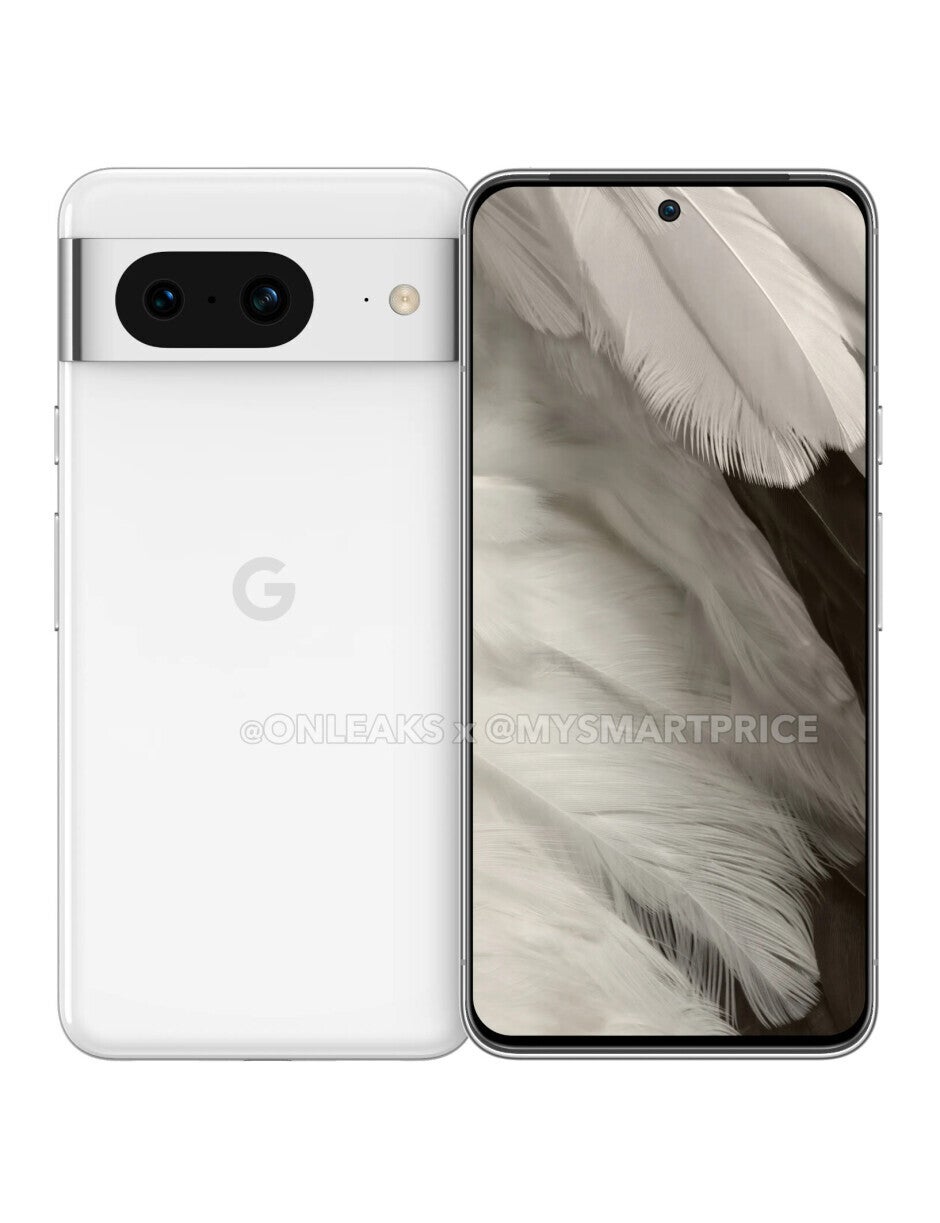
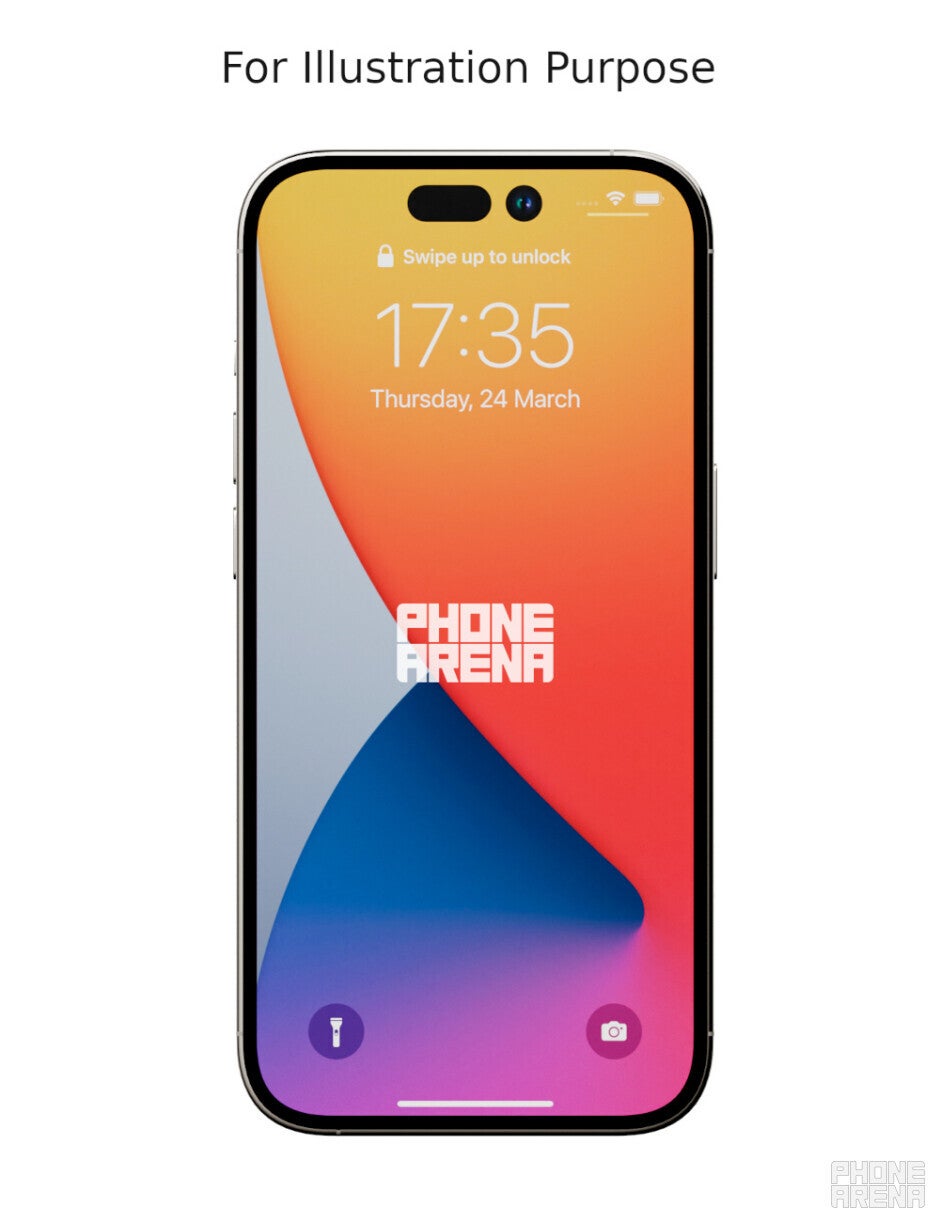
When it comes to design, the Pixel 8 and the iPhone 15 are similar and different at the same time. The Pixel follows the same design philosophy started by the Pixel 6 series, with a camera bar on the back and a hole-punch front camera, while the iPhone 15 unsurprisingly takes design cues from all the previous generations, starting with the iPhone 12 series.
As you can see, these two are really close in size, with the iPhone 15 probably ending up being a tad more compact in the end. As far as materials go, both will use aluminum and glass. The titanium material is reserved for the Pro models of the iPhone 15 series.
The port situation has been normalized by the EU, mandating USB-C on the iPhone 15 series, so there's no more Lightning port for the iPhone. The button situation is also be similar, as the new Action Button is present on the Pro models only. The color schemes for the Pixel 8 and iPhone 15 are as follows:
Pixel 8 expected colors:
- Licorice
- Peony
- Haze
We have a dedicated piece about the expected Pixel 8 series hues, so you should check it out for more detail.
- Black
- Green
- Yellow
- Pink
- Blue
Again, for additional information, refer to our iPhone 15 colors article.
Display Differences
Smooth wins the game
As we already mentioned above, the Pixel 8 and iPhone 15 feature very similar display panels in terms of size (6.17 inches on the Pixel 8 vs 6.1 inches on the iPhone 15). There's one major difference, though, and it lies in the refresh rate.
While recent rumors suggest that the Pixel 8 will adopt a 120Hz refresh rate, Apple sticks with 60Hz for the iPhone 15. Which is really a shame, especially when other flagships and even midrange phones have already moved to higher refresh rates on their displays.
As far as biometrics go, things haven't changed since last generation for both the Pixel 8 and iPhone 15. The former comes with an under-display fingerprint scanner, plus the Face Unlock option, while the latter relies solely on Face ID.
Performance and Software
Apples and oranges?
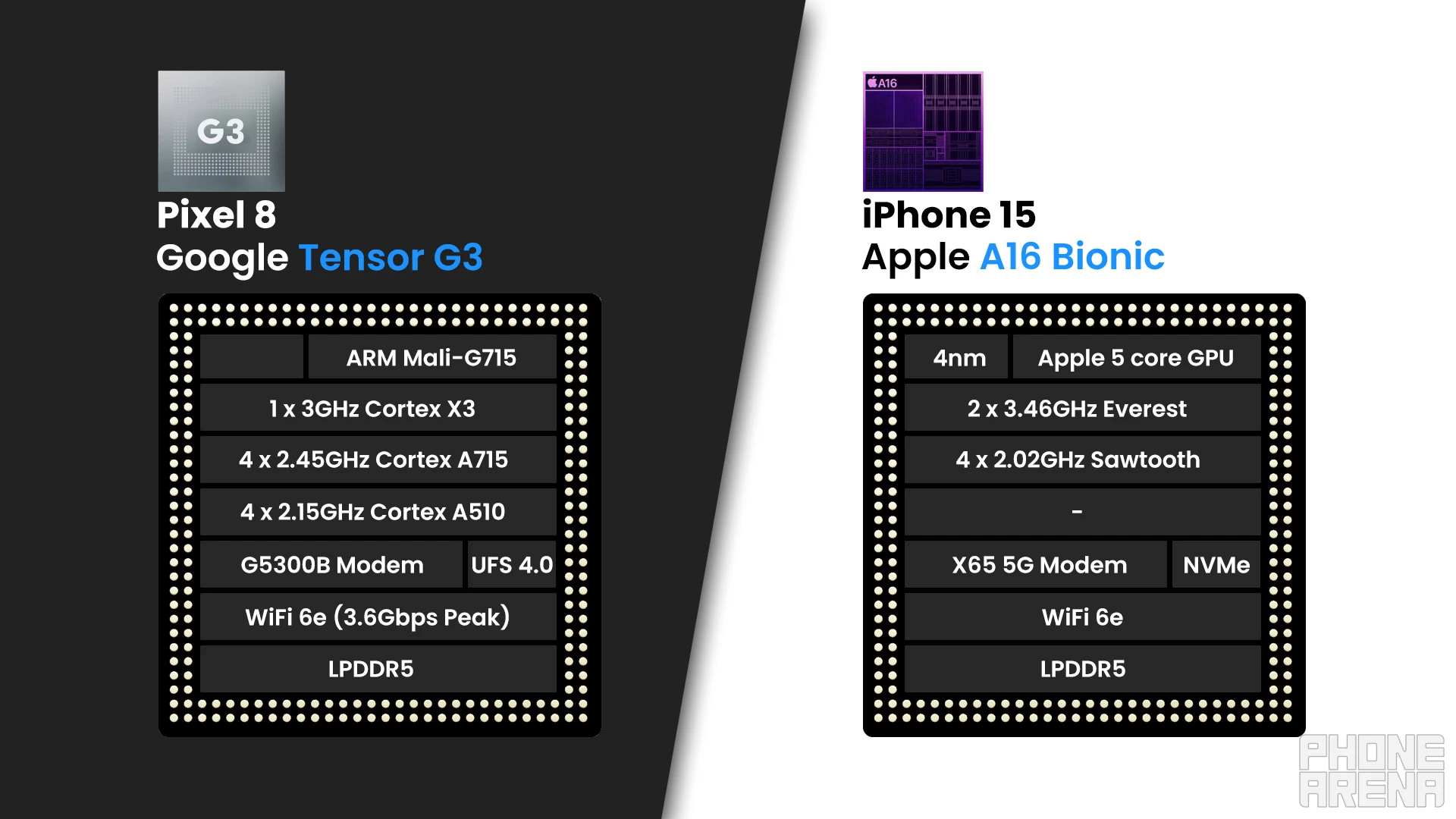
There are some radical differences when it comes to hardware and software between iOS and Android devices, and the Pixel 8 and iPhone 15 are stark examples. Let's take RAM, for example. It's not all created equal when we talk about iPhones and other Android phones, mainly because the apps and OS components are much more optimized on iOS and thus require less RAM to run smoothly. The Pixel 8 is expected to have 8GB of RAM, while the iPhone 15 manages to do pretty much the same job with only 6GB.
The same goes for the software; iOS is different than Android in many ways, although both serve the same purpose and, in the end, do exactly the same thing. The Pixel 8 will ship with Android 14 onboard, and you can check out our preview for a deep dive, while the iPhone 15 runs iOS 17. We have a detailed preview of Apple's new OS as well, so be sure to check this one too.
Camera
More similar than different
In the camera department, we expect more similarities than differences. Even though this is an area where things are very uncertain, we expect both phones to retain the camera configurations of their respective predecessors.
The iPhone 15 sports a new main camera sensor, a 48MP one with a 1/1.5" size, which is a 27% increase for the iPhone 15 over the 14 series. The main camera of the Pixel 8, on the other hand, is rumored to come with a 50MP Samsung ISOCELL GN2 sensor with staggered HDR support. In reality, both phones should produce similar results, with the main differences coming from the post-processing algorithms. Stay tuned for a camera comparison when both models launch.
The ultra-wide cameras on both phones should be very similar, with 12 MP sensor sizes and f/2.2 apertures. There's no dedicated telephoto camera on any of these phones. The Pixel 8 is expected to have a 32 MP selfie camera, while the iPhone 15 will most likely retain the 12 MP front camera from its predecessor.
Battery Life and Charging
USB-C for everyone!
This year we wave goodbye to the Lightning port, for better or worse (mostly for the better, if you ask us). Sadly, despite the new port, charging and transfer speeds remain unchanged on the iPhone 15 Plus. Apple cites 50% battery in 30 minutes with a 20W wired charger so it's the same old, same old.
The Pixel 8, on the other hand, is expected to receive a 4W bump in charging speed, bringing wired fast charging to 24W, which is pretty close to the iPhone 15. Wireless charging will be present on both devices, with MagSafe reserved for the iPhone, and 12W wireless charging support expected on the Pixel 8.
Specs Comparison
| Specs | iPhone 15 | Pixel 8 |
|---|---|---|
| Dimensions | 146.7 x 71.5 x 7.80 mm, 171 grams | 150.5 x 70.8 x 8.9 mm* |
| Weight | - | - |
| Screen | 6.1-inch, 60Hz | 6.17-inch, 120Hz |
| Processor | Apple A16 Bionic | Google Tensor G3 |
| RAM, Storage and Price | 6GB, 128GB, $799 6GB, 256GB 6GB, 512GB | 8GB, 128GB, $599 (potentially $649-$699) 8GB, 256GB |
| Cameras | Wide: 48MP Ultra-wide: 12MP | 50MP ISOCELL GN2 12MP ultrawide |
| Battery Size | 3,877mAh* | 4,485mAh |
| Charging Speeds | 25W wired, 7.5W wireless | 24W wired, 12 wireless |
Summary
So there you have it! Our preliminary comparison of the Pixel 8 and the iPhone 15. These animals roam different territories of the smartphone jungle, and yet they're starting to meet each other from time to time. Both offer similar performance, features, camera experiences, and compact sizes, and both should come with similar battery life and charging speeds. The iPhone 15 should last longer with five years of major software updates, while the Pixel 8 will most likely offer only three.
Which one should you choose, then? Well, it depends on two things, basically. First, the price. The iPhone 15 starts at $799, as per tradition, while the Pixel 8 may retail for as low as $599 (even though there are rumors of a price hike, it'd still be cheaper than the iPhone).
The second major factor is the ecosystem. If you're using a lot of Apple devices, switching to a Pixel won't make much sense, other than exploring something different on its own. If you're coming from a heavy Android background, you have more wiggle room, so to speak. You can opt for the Pixel and get that definitive Android experience with fast feature drops and the latest updates, and you can also use the iPhone 15 as a gateway to Apple's ecosystem.